- Review
- Best
- Tankless
- Tank-type
- Heat Pumps (Hybrids)
- RV Water Heaters
- Gas
- Electric
- Pool Heaters
- Solar
- Bosch
- Navien
- Noritz
- Paloma
- Rinnai
- Takagi
- American
- AO Smith
- Bradford White
- GE
- John Wood
- Reliance
- Rheem
- Richmond
- Ruud
- State
- US Craftmaster
- Hydronic Heating
- Troubleshooting
- Maintenance
- Parts
- Buy on amazon
- Sitemap
- What's New
- Privacy
- Disclaimer
- Contact
Water Heater Leaking and
How to Fix it Fast and Easy
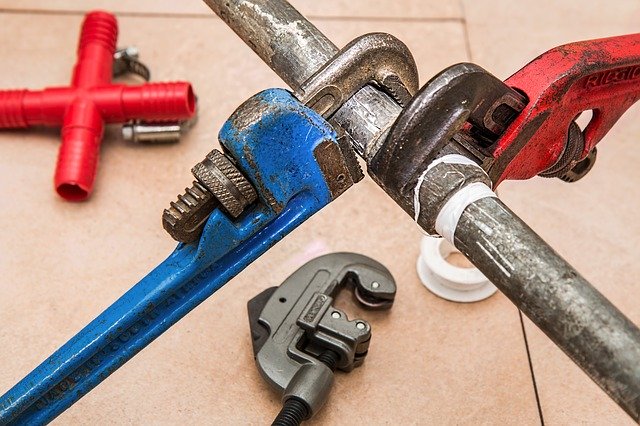 Image by Steve Buissinne from Pixabay
How to repair water heater leaking from the top and bottom of the tank, including drain and pressure relief valves.
How to check and find common leakage points. Is leaking dangerous? Troubleshooting, causes, prevention, and DIY repair tips.
Since the leaking water heater is a common problem in both gas and electrical heating systems, the first thing you should do before buying one is to consider a location for the installation so that the potential leak won't damage the property.
Need professional help with your water heater?
Get free quotes today!
In this article:
- Importance of identifying a leak
- What to do if water is leaking from the top (TPR valve)
- What to do if water is leaking from the bottom (drain valve)
- Leaking element
- Condensation
- What to do with a leaky water heater
- How to prevent and fix the problem
- The most common leakage points
Importance of identifying a water heater leak
The first sign of the heater leak is a puddle of water on the floor and at the bottom of the unit. The good thing is if the water is just dripping, while the bad is if it is spraying or flooding the surrounding.
Two of the most common spots where the water leaks or drips from are the temperature and pressure relief valve (TPR or T&P valve) located at the top of the unit and the drain valve, found at the bottom.
Other reasons include poor installation and lack of maintenance.
Water heaters leaking from the top
One of the main reasons why the water heater is leaking from the top is a clogged TPR valve. Place a bucket under the valve and open it to release some hot water. This simple action can remove the debris found inside the valve. If this doesn't solve the problem, this safety valve has to be replaced... and this is how.
The leak can also come from the loose connections, where the cold and hot water pipes are connected to the heater's body. You might have to use a pipe wrench to tighten the connections, reseal, or put more Teflon tape.
Explore more reasons why your water heater is leaking from the top and what to do.
Water heaters leaking from the bottom
One of the main reason why water is leaking from the bottom of the tank is the clogged drain valve or malfunctioning valve. If the unit was equipped with the plastic one, replace it with the more durable and reliable brass type.
If the reason for the leak is a rusty tank, there is nothing you can do there except replacing the unit.
Leaky elements
If the water is found under the tank of the electric unit, you might want to check the gaskets on the heating elements. The insulation needs to be removed in the area of the electric elements to indicate dripping.
Condensation
Condensation can also be considered as a leak because of the amount of water and suddenness when it occurs. It usually disappears when the heater becomes warmer. Excessive condensation occurs during the colder months, winter and early spring. It usually affects the gas-powered heaters.
What to do with a leaky water heater
- Turn off the water on the shut off valve
- Turn off the electric supply on the electric panel (flip the breaker off)
- Shut off the gas supply (gas models)
- Find the leak
- Drain the water tank
- Fix the unit or replace it
YouTube video: What do I do when my water heater is leaking?
Tips for preventing and fixing a water heater leak
As said, spraying or flooding of the system is bad as there might be a pipe burst, a crack in a corroded tank, or broken valves so that water can exit the tank in a short time and damage surrounding objects.
Heating units should not be installed in the location where a leaky water heater may result in property damage, such as the attic. One of the solutions might be the installation of the drain pan, water leak detector, and shut-off device. Sensors are used to trigger the alarm or to turn off the incoming cold water when the leaking problem is detected.
The drain pan should be installed at the same time as the water heater so it can catch the potential drip from the pressure relief valve or loose connections. From the dripping pane and through the installed pipe, water is removed to the drain.

Identify leakage points for easy repair
- When water is heated in the gas heaters, and due to its hardness, minerals are separated and attached to the hot surface. During heating, the surface becomes hotter, affecting the metal tank. Prevention is key - flush the tank regularly at least twice a year, or install the softener.
- When hard water is heated in electric heaters, sediments form, so heating elements can become very hot and break, affecting the connection and resulting in leaks. The solution is in regular maintenance, water softener installation, or in installing heating elements resistant to failure due to lime buildup.
- There is a quite amount of vapor in flue gases, and it usually condenses on the vent pipe and draft hood on the top of the tank. When combustion products get cooled, the moisture becomes liquid, known as carbonic acid, which then attacks the metal. To solve this problem, you can install a heater correctly sized, so there is no rapid drop in the temperature when it is used. Another solution is to install a mixing valve to reduce cold water impact.
- Plumbing pipes are also condensing, so insulate them too.
- If plumbing is leaking, find the leak and fix it - either loose connections, crack, or a hole in the pipe.
- The anode rod fitting may cause a leaky water heater too. Inspect the metal anode rod regularly as it prevents internal corrosion. Over time and because of the water action, the sacrificing rod dissolves slowly.
- Due to the thermal expansion or high pressure in plumbing, the TPR valve tends to leak or open. Excessive pressure in the tank causes failure of joints, welds, and gaskets. Adding an expansion tank, it limits the pressure to near incoming pressure. TPR valve also limits pressure to factory set max.
- The TPR valve fitting might cause a water heater leak - replace or reseal it.
- If the drain valve is slightly open, tighten the drain valve.
- Water is too hot - when stored at 160 F (72 C) is twice as corrosive as when at 140 F (60 C).
- During the start-up condensation - it usually takes 1-2 h before it disappears.
- Improperly sealed connections, TPR valve, drain valve, relief valve, and thermostat connection.
- Contaminated air and chemical vapors from the household cleaners might come in contact with the burning flame or electric contact, creating various acids that can attack metal tanks and corrode. The solution is to provide a cleaner, chemical-free room or to purchase a direct vent heater that uses air from the outside.
Conclusion
The puddle of water is not always coming from the leaky water heater. You might have leakage from other appliances or the plumbing line. Do not replace the heater unless you did a full inspection and took corrective action like tightening threaded connections or replacing broken parts. You might be able to fix the leak before scrapping it.
Keep in mind that leak can also be the symptom of a more serious problem, such as bulging, so calling a professional plumber makes more sense than DIY.
Related articles
- How to fix a noisy water heater
- Repair leaking water heater
- Hot water heater leaking from the top
- Water heater leaking from the bottom
- Troubleshooting sediment buildup
- Rusty water and how to fix it
- Rotten egg odor repair tips
- Water hammer solution
- How to repair smelly water heater
- How to fix plumbing crossover
- Home
- Troubleshooting
- Water Heater Leaking

Popular Articles